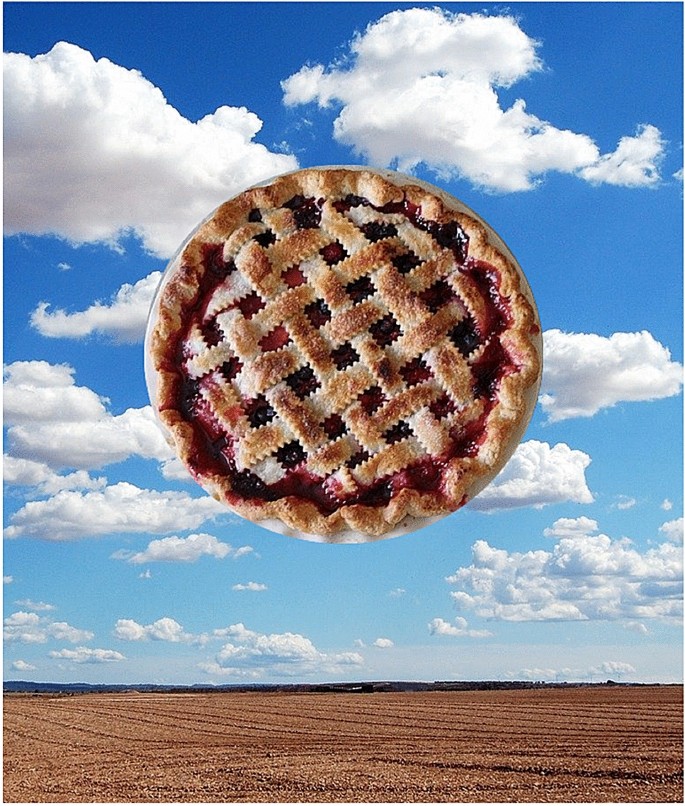
What do you think “a pie in the sky” means?
Does it refer to something pleasant or unpleasant?
Do you think it refers to something likely or unlikely?
What equivalent can you offer for it in your own language?
Topic 1: Tal about a wish you have but you think it’s more like a pie in the sky and it may not be realized.
What can you do to make it happen?
Here, we will discuss another topic but you should not look at it now! that is why it is put in the next toggle menu “DO NOT OPEN THIS!”
Topic 2: Sometimes we are told to let our imagination roam freely and wish for things that are far-fetched and then they will come true. Do you agree or disagree? What other things do we need to have besides imagination to actualize our wishes?
Some useful links:
If you want to review the wish grammar:
https://learnenglish.britishcouncil.org/grammar/english-grammar-reference/wishes-and-hypotheses
Talk about a time when you shared your wishes with someone.
You should say
- who the person was
- what wishes did you share with them
- why did you choose to share with that person
and explain how you felt after you talked about your wishes with them.
 What does this idiom mean?
Is it about a really serious situation or a trivial situation?
Is all the fuss justifiable in such situations?
Topic 1: Have you ever been in a situation you can describe as a storm in a teacup? How did you handle it?
Topic 2: When there is a storm in a teacup, how can we make it die down soon?

Describe a time when you were in a predicament and you successfully maintained your composure and stayed in control of the situation.
You should say
- when this happened
- who was involved
- how you could stay on top of it
and explain how you felt afterwards.

You have definitely seen children who “throw a tantrum” in public and impress their parents to get what they want.
“throw a tantrum“: when children cry and scream and roll about on the floor!
What can parents do in such circumstances?
How can we teach children to be in control of their feelings?

What does this idiom mean?
Does it mean being too much careful about what we do and what we say?
What equivalents do you have for it in your language?
Topic 1) In what occassions are you usually treading on eggshells?
Topic 2) Why do you think it can be bad to always be on eggshells?
🤔Did you have a look at the article? Tap on the photo above and read it.
Talk about a time when you were somewhere you had to be absolutely polite and considerate.
You should say
- when it was
- why you were there
- what you did there
and explain how you felt afterwards.
1) Are people frequently on eggshells in your culture? Why? Why not?
2) Is it important to learn to be assertive and strong in order to avoid being on eggshells all the time?
3) How can children be taught to avoid walking on eggshells all the time?
What do you think this idiom means?
Topic 1) Is it true that children take after their parents? Have you taken after your parents?
Topic 2) Do you think some people want to be different from their parents? Why?
Describe a relative or family member that you used to look up to.
You should say
- Who he or she is
- What they looked like
- What you did to appreciate them
and explain how you feel about them now.
Do you think parents are always the strongest influence on their children? If not, what other influences can you name?
Should schools tell children what kind of role models to choose and what role models to avoid?
 What does the image show?
Is it about real foot itch or does it have a metaphorical meaning?
1)Are you interested in travelling? Do you have itchy feet too?
2)Why do you think most people are so inclined towards travelling?
Describe a trip you have had that you enjoyed a lot.
You should say:
- where you went
- when you went
- who you went with
and explain why you remember this trip.
- While travelling, should travellers respect the local culture and religion or should the host country or city be more tolerant?
- Why do people tend to spend more while travelling and less when they are in their own hometowns?

What do you think this idiom means?
Are there any equivalents for this in your language?
Topic 1) Are you the type of person who takes the bull by its horns?
Topic 2) What skills do we need to be able to take the bull by its horns?
Talk about a challenging situation you overcame or a goal that you achieved.
You should say:
- when it was
- what it was
- how you did it
and explain what you would have done differently.
- Why do some people postpone facing challenges in life?
- How do people in your society face life challenges? What strategies do they use?

What does it mean to take someone under your wing?
Is it a positive or negative idiom?
What equivalents do you have for this idiom in your language?
Topic 1) Have you ever been supported by someone else in a way that you felt like they had taken you under their wing?
Topic 2) Has the opposite ever happened?
Describe a time when someone helped you.
You should say
- when it was
- what happened
- who helped you
and explain how you appreciated the person and why.
How supportive of each other are people in your country?
How can education system teach children to be more supportive of each other as children and as they grow older?

This is not a really perfect car, but its saving grace is it’s very economical with the fuel.
What is saving grace?
In what situations do you use it?
Topic 1) When buying a product, what features do you pay attention to?
Topic 2) Where do you get the information you need about the product that you want to buy?
Describe a review you read about a product or service.
You should say;
where you read the review
what the product or service was
- what information the review gave about the product or service
- and explain what you did as a result of reading this review.
Do you think that online reviews are good for both shoppers and companies?
Why do you think people write online reviews?
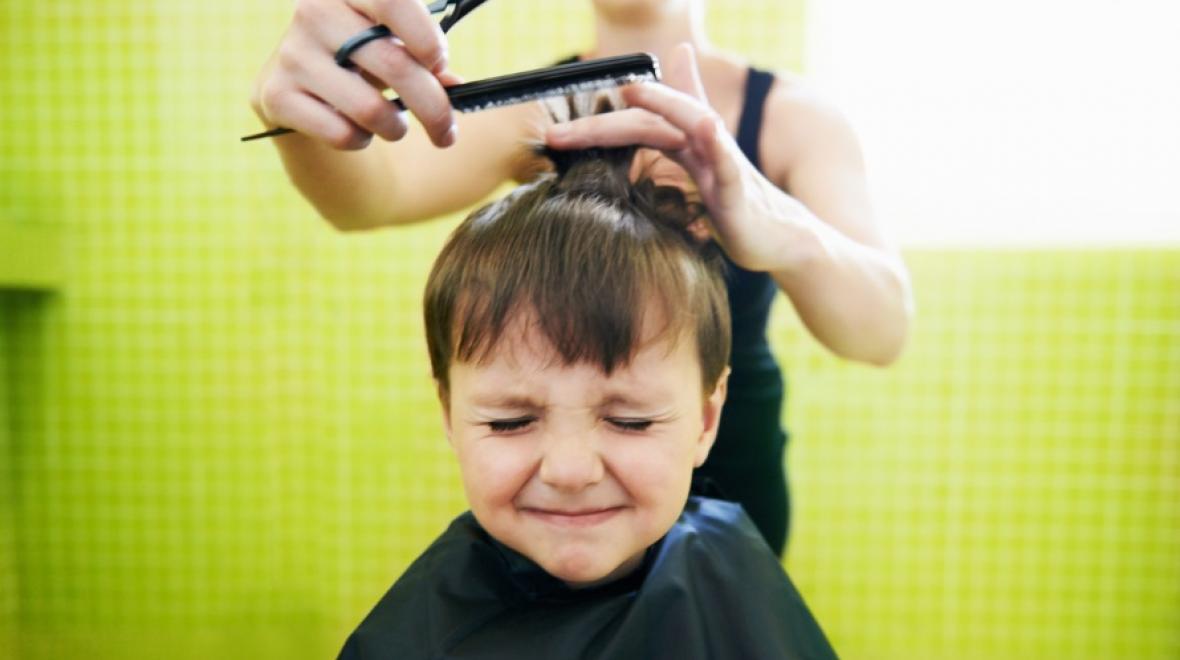
What do you think this idiom means?
Here’s a link to an article you may enjoy.
- Do you think we are easily influenced by the people with spend time with?
- Who is a stronger influence on children? Parents, peers, or teachers?
Talk about a time when you were affected by the behaviour of your friends.
When was it?
What was the influence?
How did you deal with it?
How can we stop children from the negative influence of their peers?
Do you think social media has been a positive or a negative influence?

Have you ever rained on someone’s parade?
When did it happen?
How did it happen?
How did you feel afterwards?
Did you do anything to make up for it?
Has anyone ever rained on your parade?
How did it happen?
How did you feel afterwards?
What is the meaning of rub in someone’s face?
Have you ever rubbed something into someone’s face? For example, your friends get divorced and you keep rubbing the divorce into their face?!
Why do some people rub it in?
IS there anyone around you who rubs it in?
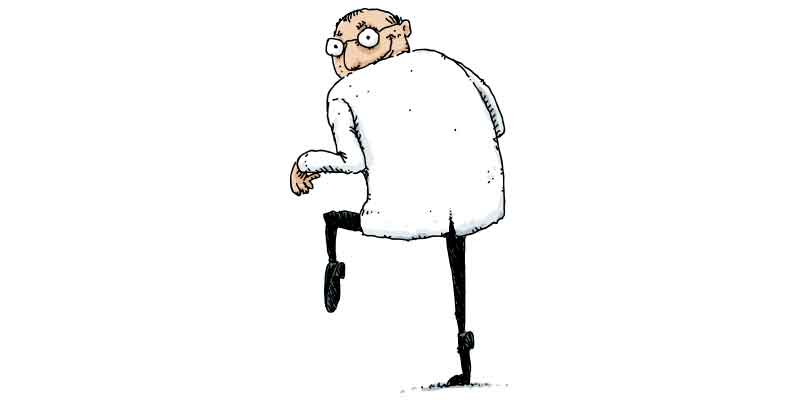
Do you think ethical rules are fixed or are they subject to culture, times and laws?
What would you do if you could get away with anything? Why?

Let’s talk about the role of curiosity in our lives.
Is it always bad to be curious?
What benefits can curiosity bring with itself?
Why is curiosity sometimes discouraged?
Have you ever been curious about something, try to dig it up, but it turned out horrible? Like when you were a child and you were curious about where you came from and once you found out you were bought from the market, you felt like a bag?!!

Reality TV has become a real success and is growing in popularity. All over the world, people watch reality TV shows and these shows have vast fandoms.
Here is an article on why reality TV has become such a hit.
Which Reality TV shows are popular in IRan?
Which of hem do you watch and closely follow?
Why do you think reality TV has become such a great success?
How do you compare reality shows to other types of TV programmes?

What is the equivalent of this idiom in your mother tongue?
How do you think this idiom has come to exist?
In what occasions do people grow too big for their britches?
Have you ever been too big for your britches?
Tell us about a time when you had to deal with someone who was too big for their britches.
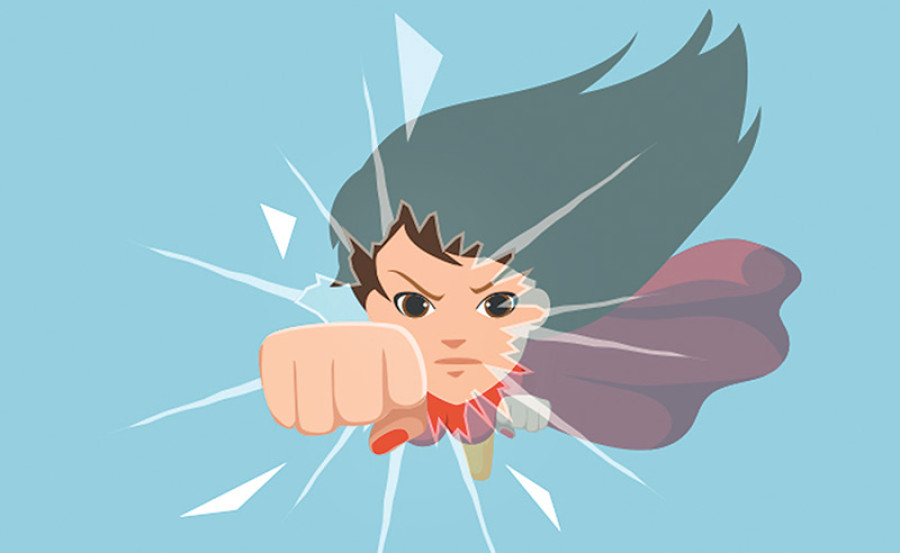
Everywhere in the world, there are glass ceilings in the way of women. In some societies, though, such discriminatory situations are systematically encouraged and supported.
In which occasions can you see glad ceiling around the world?
What about in our own country?
(Question for women): Talk about a time when you were hindered by glass ceiling.
What was the situation? How did you feel and how did you react?
(Question for men):
Talk about a time when you witnessed glass ceiling.
What was the situation? How did you feel? How did you react?

Dilemmas are situations that we find difficult to handle.
Have you ever faced a dilemma?
How did you handle it?
Are you still happy with your choice?
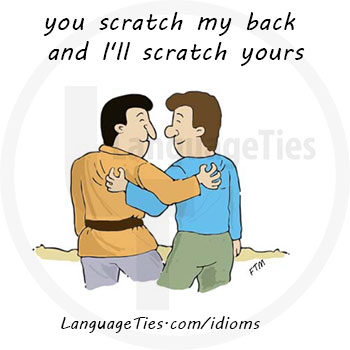
Do we have the same concept in our language? What is it?
This expression refers to reciprocal relations. When someone does you a favor, what do you do? If you’re like most people, you do the person a favor back. This seemingly simple psychological principle is called reciprocity.
We have heard about unconditional love and giving without expectation. How would you relate it to the concept of reciprocity?
Think of a time when you did something for someone, but they never returned your favour.
How did you feel about it?
How important is it to teach children the significance of appreciating reciprocal relationships?
How can we do that?

Have you ever been caught red-handed?!
What were you up to?
Who caught you?
Did you have an accomplice?!
How did you handle the situation? Did you have to face the music?!
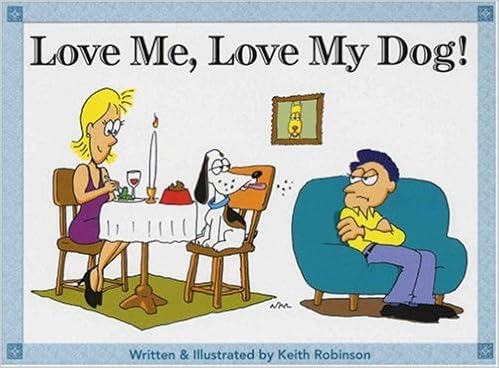
People expect others to love them and their dog alike! That is, others should accept them as they are with their good and bad.
What do you think about it?
Is it fair to expect people to love us, so love our dog?
Should people change themselves in order to get along with others?
you will just need to download and watch it because no video-sharing app works without a VPN!
We have been told that following others or the crowd is not the best idea to plan our lives.
On the other hand, we’ve been told to follow the successful examples of others to ensure that we will have a promising future.
Do these two pieces of advice contradict each other?
- Have you ever followed anyone only to find out that what you did was wrong?
- Have you ever been forced or encouraged to follow anyone? for example, your parents could have encouraged you to follow a cousin or a role model.
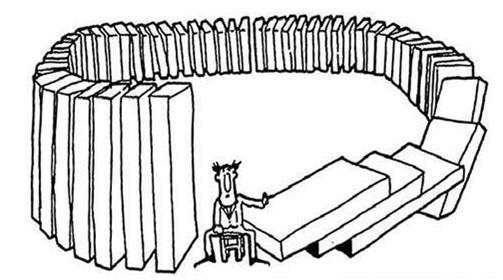
Karma, a new word for an old concept! In all cultures there are idioms and expressions, tales and poems about this concept.
What about the Iranian approach to this?
Is karma a thing in Iran?
What words, idioms or poems are there for it?
- Does belief in karma encourage people to treat each other better? How?
- How deeply do you believe in it?
- Have you ever experienced karma in your life or in anyone else’s?
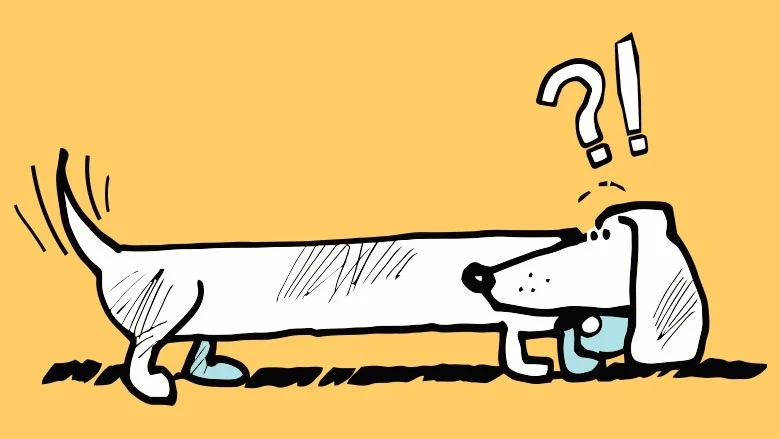
How do you say it in your language?!
Have you ever been in a situation where you felt like the tail was wagging the dog?
How did you react?

click for the meaning!
How do you say it in your language?
Have you ever needed to pick a bone with someone?
How did you do that?
What is your strategy?
Can you recall a time when you ha a bone to pick with someone? What did you do?

These days are critical times and I am sure we all talk about these developments in our daily lives; so, we may not really want to do the same in our session. Therefore, I have decided to dive deeper into this process and we talk about social change.
Here is a very useful link that writes about social change, its types and the reasons that trigger it.
How important is it for a society to go through social change?
How do we understand a social change will result in positive outcome?
Where do social media fit in this image?